Lamiaceae family
Features:
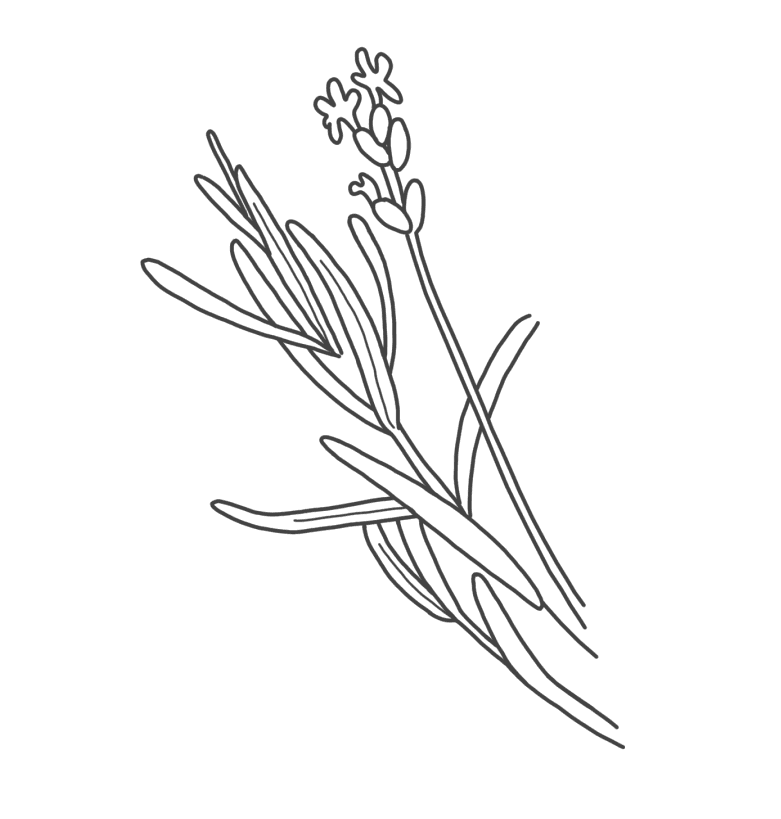
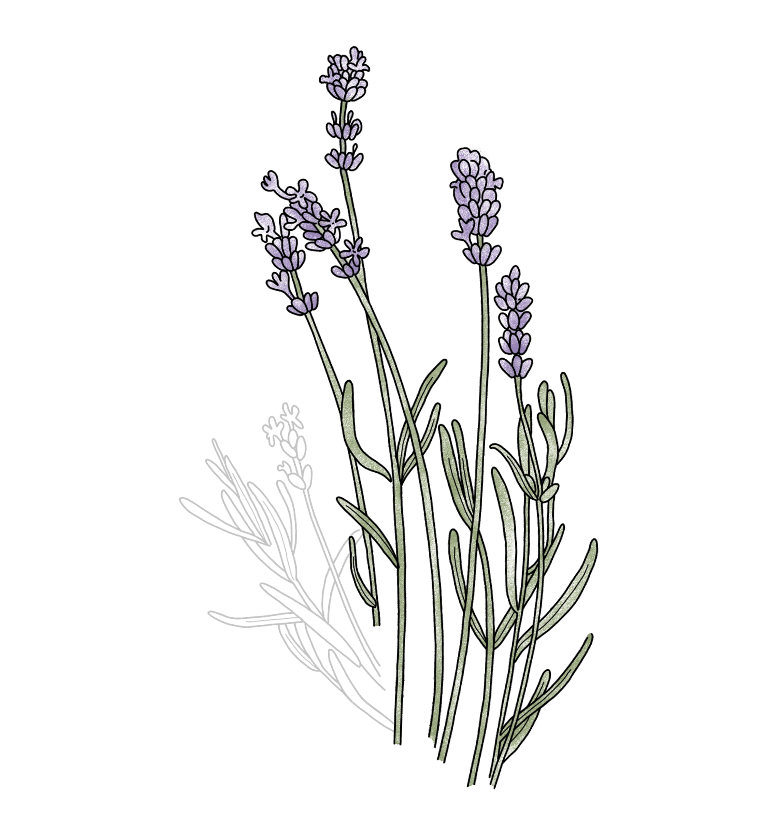
- It is an evergreen, low-growing (40–60 cm) subshrub, which after several years becomes hemispherical shaped, and its stem becomes woody.
- Its roots go deep into the ground. The leaves are opposite, linear or lanceolate, narrowing at both ends. The pseudo-spike inflorescence develops on unbranched and 20–40 cm long flower stalks; it blooms in June-July. Its bluish-violet flowers stand on whorls, five together. The fruit consists of 4 nutlets, of which usually only 1 or 2 develop.
Habitat: It thrives in dry, sandy, or pebbly well-drained soils. It grows well in sunny locations.
Medicinal use:
From a medicinal point of view, lavender has the most valuable volatile oil. It contains linalool and linalyl acetate in its ingredients. The plant is popular in cosmetic and perfumery preparations, but is infrequent in the pharmaceutical industry. Its relaxant property and efficacy in treating restlessness, insomnia, and digestive complaints is scientifically proven.
There are researches into other antibacterial, antioxidant, wound healing, anti-inflammatory, and analgesic effects.
Domestic use:
It is a medicinal herb known and liked for centuries and is currently in its heyday. Its essential oil is used for skin care, hair loss, headaches, and migraines, as well as for antiseptic and anti-inflammatory purposes.
Its flowers are used mainly for their pleasant fragrance to freshen clothes or interiors. It is known to be effective against moths and other insects. Last but not least, this medicinal herb is also popular in gastronomy. It is also a popular flavouring for food and drinks.
Curiosities:
There are many significant and widely used medicinal plants in the Lamiaceae family: mint, sage, and lemongrass. Their common feature is that, if we need their essential oils, we should not wash the harvested medicinal herbs or shake them after drying, as the ‘cups’ containing the essential oils in the leaves will fall and lose their valuable contents.